By Anel Annandale | Educational Psychologist
For a very long time, individuals with ADHD have described an intense emotional reaction to criticism. Many report that a single negative comment can ruin their entire day, sending their self-esteem spiralling downward. While this experience has long been recognised by those living with ADHD, it is only more recently that we have been able to put a name to it and better understand what is happening beneath the surface.
In 2017, William Dodson described this experience as Rejection Sensitivity Dysphoria (RSD) — the emotional and mental pain some individuals feel when they believe they are being criticised, rejected, or perceived negatively by others.
What Is Rejection Sensitivity Dysphoria?
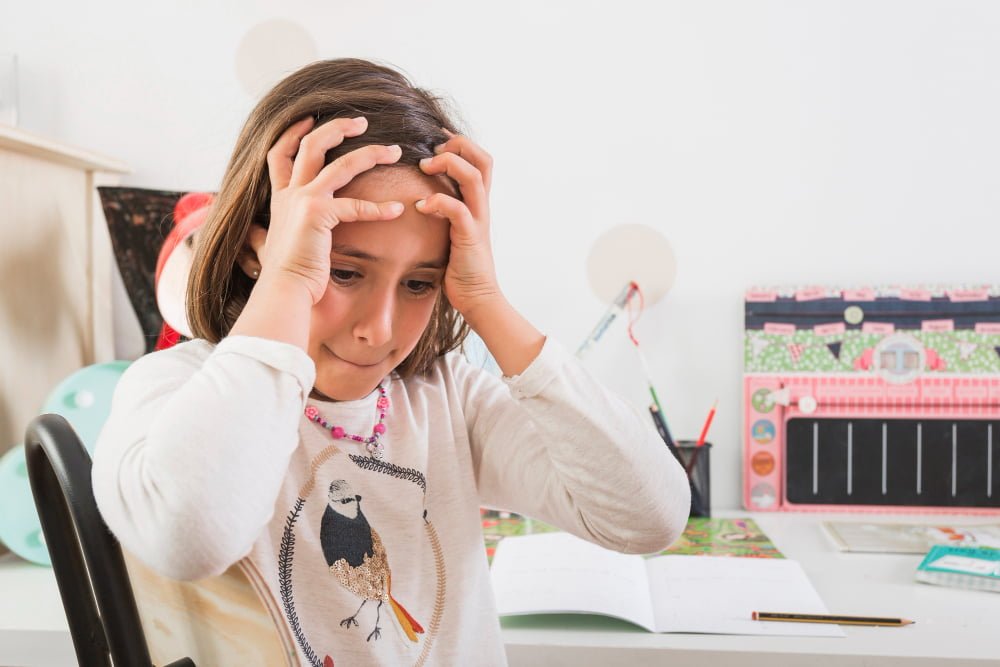
Rejection Sensitivity Dysphoria refers to an extreme emotional sensitivity and pain triggered by the perception of rejection, criticism, or failure. For children and adults with ADHD, these feelings are often sudden, intense, and overwhelming.
Research has shown that by the age of 12, children with ADHD may receive up to 20,000 more negative messages from parents, teachers, siblings, and peers than their neurotypical counterparts. Each of these messages, even when well-intentioned, can slowly chip away at a child’s self-esteem.
Over time, this repeated exposure can leave children emotionally vulnerable. As a result, even minor criticism or perceived rejection can feel absolutely crushing, reinforcing feelings of inadequacy and fear of failure.
Why Criticism Feels So Overwhelming for Children With ADHD
Children with ADHD often work much harder than others just to meet everyday expectations. When their efforts are met with frequent correction or negative feedback, they may begin to internalise the belief that they are “not good enough”.
This constant emotional strain can lead to:
- Heightened emotional reactions
- Avoidance of challenges or new situations
- Fear of disappointing others
- Low self-esteem and emotional withdrawal
Understanding this emotional sensitivity is an essential step in supporting children with ADHD more effectively and compassionately.
Three Important Ways Parents Can Support a Child With ADHD and RSD
If your child struggles with ADHD Rejection Sensitivity Dysphoria, there are practical steps you can take to help protect their emotional wellbeing.
1. Pause Before Correcting
Try to catch yourself in the moment before rebuking your child. Ask yourself whether there is a more positive or supportive way to communicate the same message. Gentle redirection and calm language can make a significant difference in how feedback is received.
2. Offer Consistent Reassurance
Children with RSD need frequent reassurance that your love is not tied to their behaviour, achievements, or performance. Make it clear that they are valued and loved unconditionally, even when mistakes are made.
3. Teach Self-Soothing Strategies
Help your child develop self-soothing techniques they can use when emotions feel overwhelming. These may include deep breathing, grounding exercises, taking a short break, or using calming sensory tools. Over time, these strategies empower children to regulate their emotions more independently.
Final Thoughts
Rejection Sensitivity Dysphoria is not about being “too sensitive” — it is a very real emotional experience rooted in years of accumulated negative feedback. With understanding, patience, and intentional emotional support, parents and caregivers can help children with ADHD feel safer, more confident, and more resilient.
For more helpful parenting tips and insights, watch my video here: