
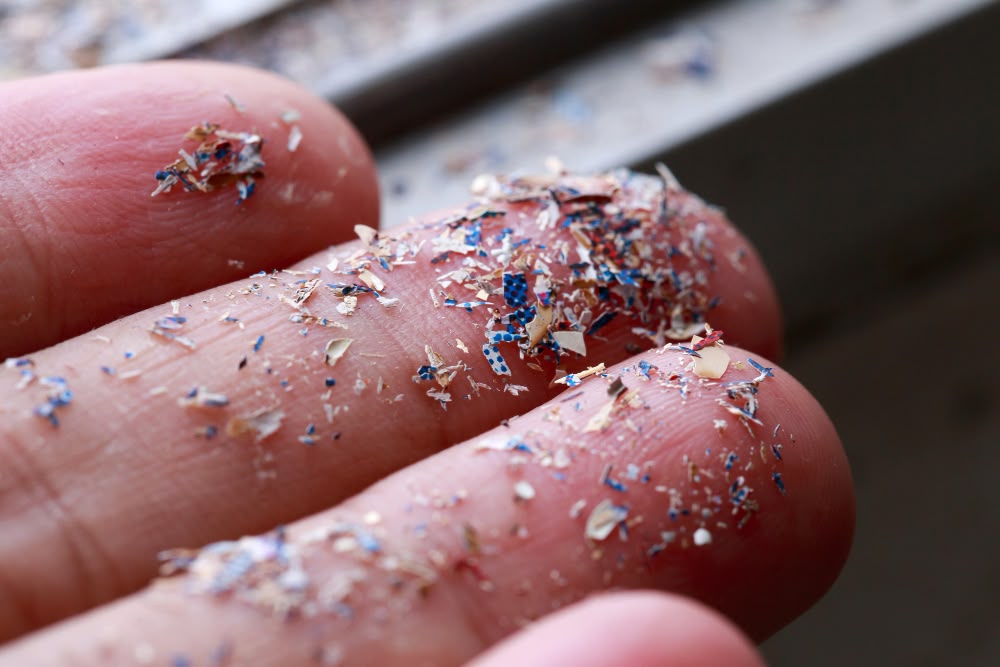
A recent scientific study has made a startling discovery: microplastics have been found in human brain tissue. This finding raises serious concerns about how the products we consume and the environment we live in may be silently affecting our long-term health.
What Are Microplastics?
Microplastics are tiny plastic particles—less than 5 millimeters in size—that originate from the breakdown of larger plastic materials such as bottles, food containers, synthetic fabrics, and packaging. Because they are so small, they can go undetected by the human eye, yet their impact on the human body might be far from invisible.
The Brain: A Surprising Hotspot
In this groundbreaking study, researchers analyzed samples from autopsies and were shocked to find accumulated microplastics in the brain tissue. Even more alarming, they observed a 50% increase in brain microplastic presence since 2016.
The plastic particles appear to cross the blood-brain barrier—a natural filter that usually protects the brain from toxins. Scientists are now warning that these intruding plastics could be causing inflammation in the brain, a known contributor to neurological disorders, cognitive decline, and even mood-related conditions.
Why the Brain Over Other Organs?
The study also compared plastic accumulation across other major organs, such as the liver and kidneys. Surprisingly, the brain contained 30 times more microplastics than either of these organs.
Researchers aren’t yet certain why the brain is more affected, but two theories stand out:
- The brain receives a higher volume of blood flow, potentially delivering more microplastics.
- The liver and kidneys may simply be better equipped to filter out and expel toxins, while the brain retains more of these foreign particles.
Where Else Are Microplastics Found?
Unfortunately, microplastics are not just limited to the brain. They’ve also been detected in:
- Urine
- Feces
- Testes
- Placenta
This widespread contamination suggests that microplastics are crossing multiple protective barriers in the human body, with unknown long-term consequences.
How to Reduce Your Exposure
While it may be impossible to eliminate microplastics completely, there are practical steps you can take to reduce your daily exposure:
- Avoid single-use plastics for food and drink. Choose glass, stainless steel, or BPA-free reusable containers.
- Minimize synthetic textiles in your clothing, bedding, and furniture. Opt for natural fibers like cotton, wool, or bamboo when possible.
- Filter your tap water, especially if you live in areas with heavy pollution or aging plumbing infrastructure.
- Be mindful of personal care products, such as exfoliants or toothpaste, that may contain microbeads.
Final Thoughts
The presence of microplastics in the brain is a concerning discovery that underscores how interconnected our environment and health truly are. While more research is needed to understand the full implications, taking steps to limit your exposure is a good place to start.
Please watch my helpful video on this topic for more insights and practical tips: